What is the RiMS conference? The Rehabilitation in Multiple Sclerosis (RiMS) Annual Conference is the yearly scientific meeting of RiMS, a European multidisciplinary network for MS rehabilitation research and practice. The 31st edition was held June 11-13, 2026, in Prague, Czech Republic.
What was the theme of the 2026 RiMS conference? "Recovery and Compensation in Multiple Sclerosis Rehabilitation: Rethinking Mechanisms, Decisions, and Outcomes" which aimed to examine when rehabilitation should aim to restore function vs optimize performance through adaptation.
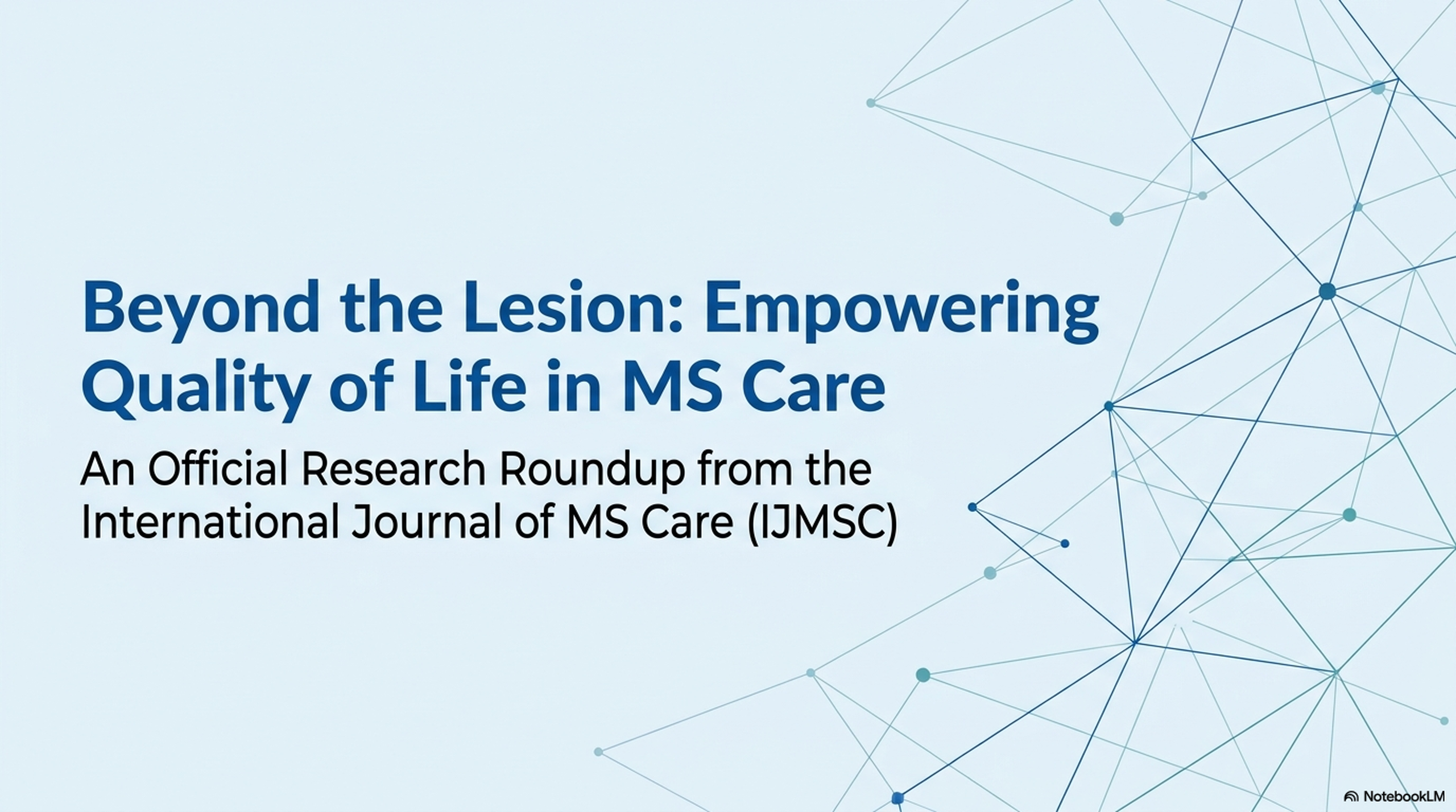
The International Journal of MS Care (IJMSC) presents the accepted abstracts of the 31st Annual Rehabilitation in Multiple Sclerosis (RiMS) Conference, held June 11-13, 2026, in Prague, Czech Republic. The collection comprises 128 abstracts from research teams in more than 25 countries, representing neurology, physiotherapy, occupational therapy, nursing, speech and language therapy, psychology and neuropsychology, biomedical engineering, and outcomes research.
The 2026 program was organized around the theme Recovery and Compensation in Multiple Sclerosis Rehabilitation: Rethinking Mechanisms, Decisions, and Outcomes. Multiple sclerosis (MS) rehabilitation increasingly demands an explicit choice between strategies that aim to restore function (recovery) and strategies that optimize performance through adaptation (compensation). As the conference rationale makes clear, these are not competing philosophies but clinically meaningful options whose relative value depends on disease stage, functional reserve, personal goals, context, and available technologies. The program traces a line from biological mechanisms through intervention design and precision decision-making to the outcomes that matter most to people with MS: participation, autonomy, and quality of life.
The abstracts are grouped into 6 thematic chapters that mirror the conference's scientific sessions, each addressing multiple sclerosis and related disorders:
- Measuring recovery, compensation, and progression, including biomarkers
- Motor recovery and adaptive compensation
- Participation, autonomy, and life roles, including bladder and bowel function and sexuality
- Psychosocial and cognitive rehabilitation
- Rehabilitation of communication and swallowing
- Technology-enhanced rehabilitation
Methodologically, the collection is broad. It includes randomized controlled trials and secondary analyses of completed trials, pilot and feasibility studies, systematic and scoping reviews, psychometric and measurement-property evaluations, qualitative and mixed-methods research, national registry and health-data analyses, implementation science evaluations, and case reports. Together they reflect a field working to close the distance between mechanistic insight and everyday clinical practice.
For clinicians, these abstracts offer an early view of interventions and assessment tools before they reach full publication—from wearable inertial sensor protocols and home-based telerehabilitation pathways to robot-assisted gait training, synchronous cognitive telerehabilitation, and structured exercise programs for newly diagnosed patients. For researchers, they map where the MS rehabilitation evidence base is consolidating and where it remains thin. For people living with MS and their care partners, they signal the questions the rehabilitation community considers urgent.
IJMSC is the official peer-reviewed journal of the Consortium of Multiple Sclerosis Centers and the International Organization of Multiple Sclerosis Nurses. Publishing the RiMS abstracts extends the journal's commitment to distributing rehabilitation science to the multidisciplinary teams who deliver MS care.
Abstracts appear as accepted by the RiMS abstract review panel, edited for style. Author affiliations, funding disclosures, and conflict-of-interest statements are those provided at submission.
RiMS 2026 CONFERENCE ABSTRACTS