Commentary
Research Article
IJMSC Author Spotlight: Moira Smith, PhD
Author(s):
IJMSC Author Spotlight shines a light on the people behind the research.
Moira Smith, PhD, was the first author of Finding Your Stride: Navigating Running With Multiple Sclerosis. A Qualitative Study published in the International Journal of Multiple Sclerosis Care (IJMSC) in March 2026.


Moira Smith, PhD
Image courtesy of the researcher.
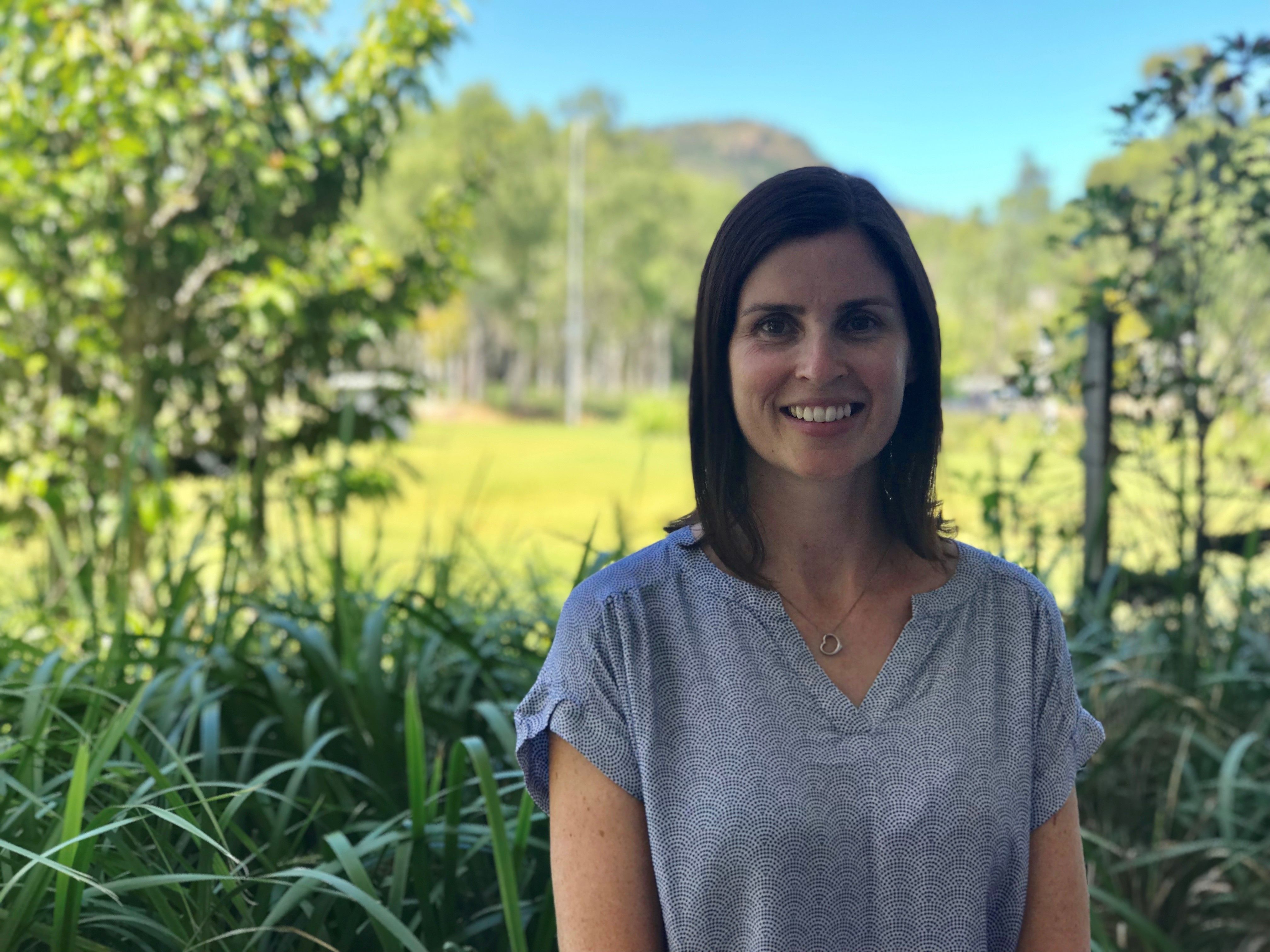
Smith is a neurological rehabilitation researcher, physiotherapist, and senior lecturer at James Cook University. Her PhD centered on exercise participation and she contributed to the physical activity and exercise guidelines component of MS Australia’s Modifiable Lifestyle Factors for MS: A Guide for Health Professionals. She is currently working with international partners on a multicountry research project: HeARTS: pHysical Activity factoRs among people living with mulTiple sclerosiS. A global study
She recently sat down with IJMSC to talk about the paper and her research.
IJMSC: Tell us the story of this paper.
Moira Smith, PhD (MS): Our team of health researchers is interested in finding ways to keep people with multiple sclerosis (MS) as mobile as possible for as long as possible. There is great research out there on improving walking mobility for people with MS, however, we are keen to explore higher-level mobility, such as running, jumping, playing sports—aspects of an active lifestyle. We know through our previous research that some people with MS are keen to engage in these activities. We wanted to explore further and find out what people with MS are capable of, how they achieve it, and how health professionals can best support them to participate in running. We want to explore and push the boundaries a bit more.
“We wanted to explore further and find out what people with MS are capable of, how they achieve it, and how health professionals can best support them to participate in running. We want to explore and push the boundaries a bit more.”
IJMSC: Was anything about this research surprising to you?
MS: Our participants impressed us with their range of running ability and their perseverance with running, despite significant challenges. Our participants were running regularly—some aimed for 2 km, some aimed for marathon distance, and even ultramarathon! They were keen to persevere because they know it is beneficial for their physical health [and] mental health, and it helps them to manage some MS symptoms. They found novel ways to support their running habits and were keen to share their insights. These ideas included running with night torches, using community running events to provide support, and ensuring appropriate bowel and bladder care to prevent any unwanted mishaps whilst running. We have included these insights in our research to help other runners with MS.
IJMSC: Would you consider running recreational therapy or therapeutic recreation?
MS: Well, I think it’s both! Sometimes the individual may require greater support than at other times, which may make it seem more rehabilitation-focused. However, that can just be in the initial stages of setting up for running or perhaps when they need to check back in for a particular issue. At other times, as the individual becomes more accustomed to the activity, it may seem more recreational, less emphasis on input from health professionals, a shift towards self-management [and] a greater emphasis on the enjoyment of the activity. As is the case with most things in life, the more you enjoy something, the more you are likely to do it and the more it feels like a leisure activity.
IJMSC: What would you like clinicians to take away from your paper?
MS: There can be challenges associated with…running with MS. However, health professionals are well-positioned to help provide support and advice to enable running. By doing so, they can assist people with MS to participate and sustain participation in an active lifestyle, which has many health benefits.
Health professionals can work in partnership with people with MS to develop strategies to assist with running. These can include management of symptoms, training plans, ensuring environmental safety, and appropriate referral to other health professionals. In addition, setting individuals up with community and social supports helps with exercise accountability and can assist [in assuring] long-term engagement with running. Health professionals can access freely available guidelines on exercise prescription for people with MS. This can provide a starting place for [all] exercise, including running, with recommendations on duration, intensity, and frequency of exercise.
“Health professionals can access freely available guidelines on exercise prescription for people with MS. This can provide a starting place for [all] exercise, including running, with recommendations on duration, intensity, and frequency of exercise.”
IJMSC: How could this paper impact clinical practice?
MS: This paper has practical solutions to help people with MS participate in running. Health professionals can help to support active participation in running and sport[s] that demand a higher level of mobility than many other activities. Given that exercise participation is lower in people with MS compared to the general population, finding ways to engage people with MS in exercise that they enjoy is an important path to take in terms of sustaining participation for as long as possible.
IJMSC: What is your current research project?
MS: We have just completed [the] second part to this running study that explores the relationship between running and signs and symptoms of MS, such as fatigue and cognitive function. We [hope] to present these results soon.
IJMSC: What are the next steps in this line of research?
MS: Given the interest in running, one of the things we discussed with people with MS was ways to improve performance with running. So, that is our next avenue of exploration. Let’s keep raising the bar for people with MS.
IJMSC: Can you give us the 10,000-foot view of how this line of research fits into the larger world of MS care?
MS: This line of research plays a significant role in the broader landscape of MS care. It emphasizes the importance of enabling people with MS to participate in running and other forms of exercise. This is just 1 part of a larger strategy, proactively addressing and managing MS symptoms in ways that individuals can implement themselves. The goal is to empower those living with MS, offering support where it is needed, so they can take control of their own health and well-being. Given that MS is a lifelong condition, it is crucial to provide tools and resources that help individuals maintain a good quality of life and remain actively engaged in exercise within their communities. Health professional support is a key element in promoting self-management and encouraging sustained participation in high-level mobility exercise, such as running, over the long term.


